
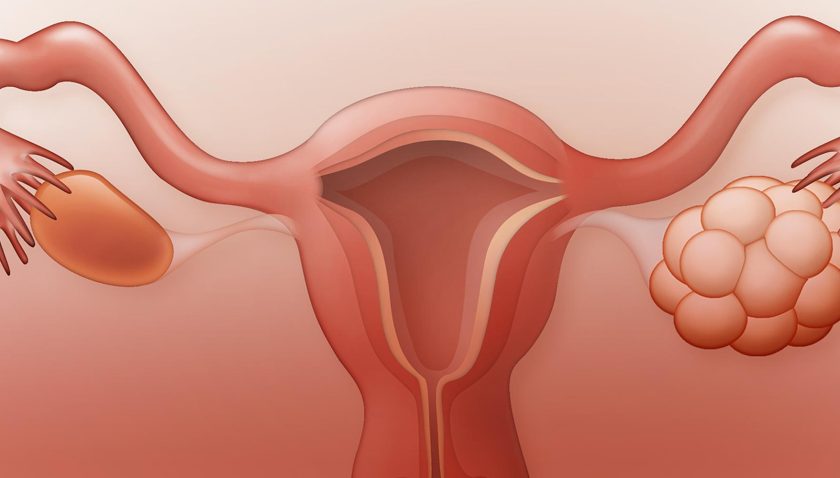
What is PCOS, and how can a functional medicine approach help manage it?
Polycystic ovary syndrome (PCOS) is one of the most common hormonal conditions affecting women of reproductive age in Australia, yet it remains frequently misunderstood, underdiagnosed, and poorly managed in mainstream healthcare. It is not simply a condition of the ovaries. It is a complex hormonal and metabolic syndrome involving irregular or absent ovulation, elevated androgens such as testosterone, and often significant insulin resistance. The result can be a wide range of symptoms including irregular or missing periods, unwanted facial or body hair, persistent acne, weight fluctuations, low energy, and difficulty falling pregnant. Many women spend years experiencing these symptoms before receiving a diagnosis, and even then, conventional treatment often focuses narrowly on the pill to regulate cycles or metformin for insulin resistance, without exploring what is actually driving the condition.
A functional medicine approach takes a fundamentally different view. Rather than managing symptoms in isolation, the goal is to understand the specific underlying drivers for you as an individual. This begins with a comprehensive assessment that may include detailed hormonal profiling, fasting insulin and glucose testing, inflammatory markers, gut microbiome evaluation, thyroid function, and nutritional status. PCOS presents differently in different women. Some are lean with normal metabolic markers, while others have significant insulin resistance and elevated androgens, and treatment must reflect this complexity.
From there, a personalised plan is developed that may incorporate targeted dietary approaches to improve insulin sensitivity, evidence-based supplementation such as inositol, magnesium, zinc, and omega-3 fatty acids, gut support to reduce inflammation and improve hormonal metabolism, and lifestyle strategies to support cortisol regulation and sleep. The aim is not to mask your symptoms but to address the conditions that are generating them, creating lasting change and supporting your long-term health, fertility, and quality of life.
If you have been diagnosed with PCOS or suspect you may have it, contact our rooms to arrange a comprehensive consultation with Dr Raniga.