
What natural and integrative options are available for managing menopause symptoms in Sydney?
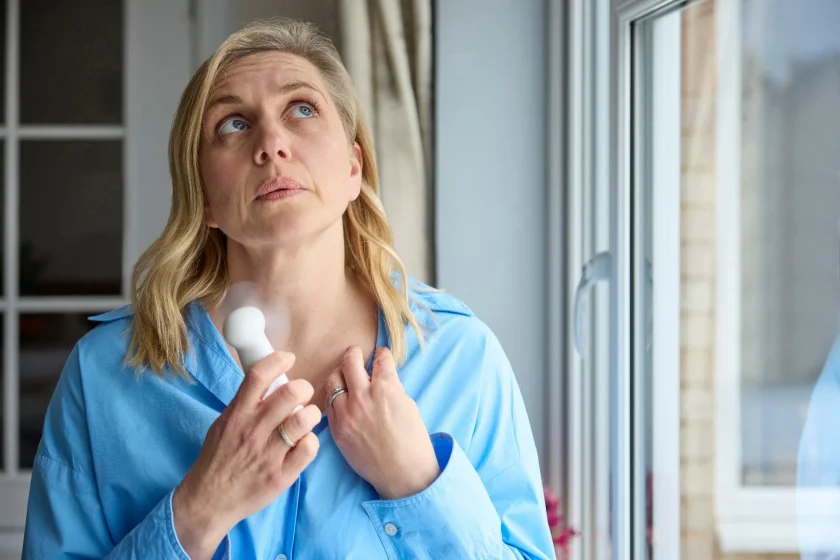
Menopause marks a significant hormonal transition, typically occurring between the ages of 45 and 55, though perimenopause can bring noticeable symptoms for a decade or more beforehand as the body gradually shifts toward the final menstrual period. For some women, this transition is relatively smooth. For others, symptoms such as hot flushes, night sweats, mood changes, increased anxiety, sleep disruption, brain fog, joint pain, vaginal dryness, and changes in libido can significantly affect daily life, relationships, and sense of self.
Integrative medicine offers a broad and evidence-informed range of approaches to support women through perimenopause and menopause, without defaulting to a single solution for every woman. The right approach depends on your individual health history, symptom profile, risk factors, and personal preferences, and Dr Raniga takes the time to understand all of these before developing a tailored plan.
Nutritional therapy forms a cornerstone of integrative menopause care. This includes supporting stable blood sugar to reduce hot flush frequency, prioritising phytoestrogen-rich foods, optimising calcium, magnesium, and vitamin D for bone health, and addressing the dietary contributors to poor sleep and mood. Herbal and nutraceutical support, including evidence-based options such as black cohosh, ashwagandha, and specific B vitamin combinations, can offer meaningful relief for vasomotor and mood-related symptoms. Stress management and adrenal support are also critical, as the adrenal glands play an increasingly important role in oestrogen production after menopause. Lifestyle principles, including daily routine, seasonal eating, and personalised guidance based on your constitution, can be woven in to provide deeper support.
Where appropriate, hormonal assessments help to map your individual hormonal picture and guide decisions about further support. Every woman’s experience of menopause is different, and your care should reflect that.