
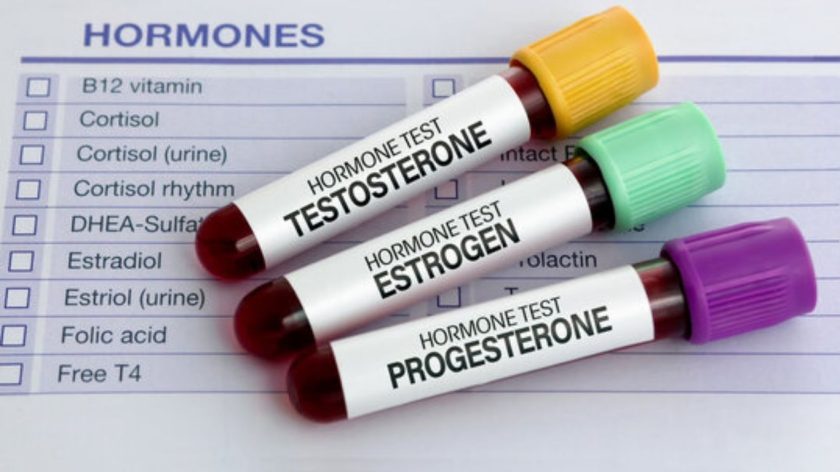
What Tests are used to Diagnose Hormonal Imbalance?
Diagnosis begins with a detailed symptom history and physical exam, followed by targeted lab testing. The choice of tests depends on your age, sex, and suspected imbalance.
Common blood tests include:
Sex hormones: estrogen, progesterone, testosterone, SHBG, LH, FSH
Thyroid panel: TSH, free T4, free T3, reverse T3, thyroid antibodies
Adrenal function: morning cortisol, DHEA-S
Metabolic markers: fasting insulin, glucose, HbA1c, lipid profile
Saliva testing may be used to assess cortisol patterns throughout the day.
Urine hormone panels (e.g. DUTCH test) provide insights into hormone metabolites and detox pathways.
Specialised tests include AMH for ovarian reserve, prolactin for pituitary function, and IGF-1 for growth hormone status.
Lab results should always be interpreted in the context of the patient’s overall health. “Normal” ranges don’t always reflect optimal function, and a skilled practitioner will correlate your symptoms with your results to guide treatment.